
Easy Low Calorie Meal Prep Ideas for the Week
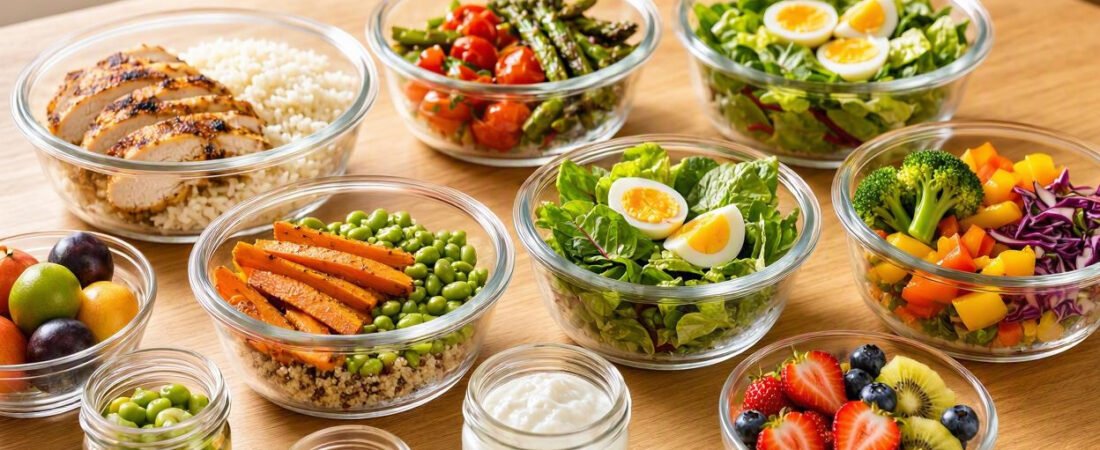
Low calorie meal prep can make healthy eating easier when your schedule is busy. Instead of deciding what to eat every day, you can prepare balanced meals in advance and have convenient options ready for the week.
A practical low calorie meal prep plan does not need to rely on tiny portions or eliminate entire food groups. The goal is to build meals around nutrient-dense foods, include enough protein and fiber, and choose portions that fit your individual calorie needs.
The CDC recommends an eating pattern that includes vegetables, fruits, protein foods, whole grains, and healthy fats while limiting added sugars, sodium, and foods high in saturated fat.
This guide explains how to start low calorie meal prep, choose filling foods, build breakfast, lunch, and dinner options, and organize a simple 7-day meal prep plan.
What Is Low Calorie Meal Prep?
Low calorie meal prep means preparing meals or ingredients ahead of time while being mindful of the total calories in each portion.
The idea is not simply to make every meal as low in calories as possible. A better approach is to create meals that provide useful nutrients and enough volume to help you feel satisfied.
For example, a meal can combine:
- A lean protein source
- Plenty of vegetables
- A moderate portion of carbohydrates
- A small amount of healthy fat
- Fruit or another nutrient-dense food when appropriate
Vegetables and fruits can add volume, fiber, vitamins, and minerals while generally providing fewer calories than many calorie-dense foods. The CDC also notes that their water and fiber content can help with fullness.
How to Start Low Calorie Meal Prep
You do not need to prepare seven completely different meals. Starting with a few flexible ingredients can make meal prep faster and easier.
1. Choose Your Protein Sources
Including a protein source can help make meals more satisfying for some people while also giving you several options for variety.
Good choices include:
- Chicken breast
- Turkey
- Fish
- Eggs
- Greek yogurt
- Cottage cheese
- Beans
- Lentils
- Tofu
- Other legumes
The CDC recommends including a variety of protein foods as part of a healthy eating pattern.
For easier meal prep, choose two or three protein sources for the week instead of trying to prepare everything at once.
2. Add Plenty of Vegetables
Vegetables are useful for low calorie meal prep because they can add volume and variety to your meals.
Try options such as:
- Broccoli
- Cauliflower
- Zucchini
- Bell peppers
- Carrots
- Green beans
- Spinach
- Cucumber
- Tomatoes
- Mixed salad greens
Fresh and frozen vegetables can both work well. The CDC notes that vegetables and fruits provide important nutrients and can help increase the volume of meals without adding as many calories as some more calorie-dense foods.
3. Choose Your Carbohydrates
Low calorie meal prep does not require eliminating carbohydrates.
Depending on your preferences, you can include:
- Oats
- Potatoes
- Sweet potatoes
- Brown rice
- Whole-grain pasta
- Quinoa
- Beans
- Whole-grain bread
The important factor is the portion and the overall balance of the meal.
4. Prepare Ingredients in Batches
Instead of cooking every meal separately, prepare ingredients that can be combined in different ways.
For example, you could prepare:
- One protein
- Two vegetables
- One carbohydrate
- One simple sauce or dressing
You can then create different meals throughout the week without repeating exactly the same plate every day.
5. Portion Your Meals
Portioning meals before storing them can make your weekly routine easier.
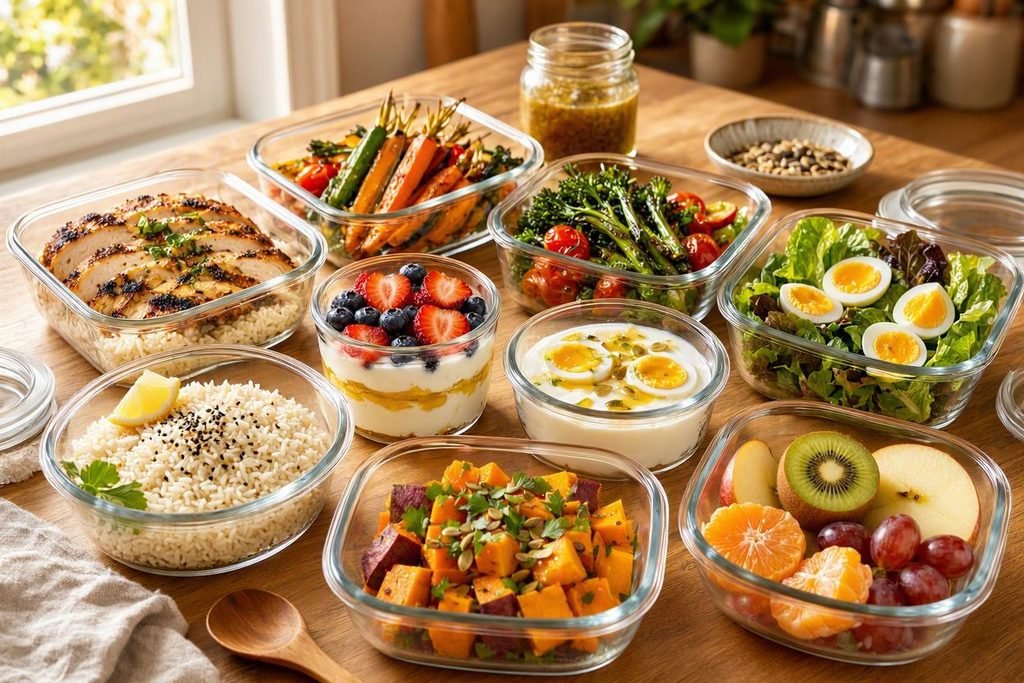
You can use food containers to divide meals into individual servings and label them with the day or meal.
If you track calories, use the nutrition information from the actual ingredients and your portion sizes rather than relying on generic estimates.
Low Calorie Meal Prep Ideas
A useful meal prep routine should include enough variety that you can follow it consistently.
Low Calorie Breakfast Meal Prep
Breakfast does not have to be complicated.
Some practical options include:
- Overnight oats with fruit and Greek yogurt
- Egg and vegetable breakfast boxes
- Greek yogurt with berries and oats
- Vegetable egg muffins
- Oatmeal with fruit and a protein-rich topping
If you prepare breakfast in advance, keep portions consistent and choose ingredients that fit your overall eating plan.
Low Calorie Lunch Ideas for Work
Work lunches should be easy to transport, store, and eat.
Try combinations such as:
- Chicken, roasted vegetables, and potatoes
- Tuna salad with vegetables and whole-grain bread
- Lentil and vegetable bowls
- Chicken salad wraps
- Greek-style bowls with vegetables and a protein source
- Cold pasta salad with vegetables and lean protein
For a practical work lunch, choose meals that travel well, are easy to portion, and can be eaten cold when refrigeration or reheating is not available.
For foods that need refrigeration, store them properly in a refrigerator instead of leaving perishable meals at room temperature.
Low Calorie Dinner Ideas
Dinner can follow the same simple structure:
Protein + vegetables + carbohydrate + optional healthy fat
Examples include:
- Grilled chicken with roasted vegetables and potatoes
- Fish with vegetables and rice
- Turkey with vegetables and whole-grain pasta
- Lentil bowls with vegetables
- Tofu with mixed vegetables and rice
The exact calorie content will depend on the ingredients and portions, so calculate meals according to the foods and quantities you actually use.
High Protein Low Calorie Meal Prep
High protein low calorie meal prep can be useful when you want meals that provide protein without making the entire meal calorie-dense.
You can build meals around foods such as chicken, fish, eggs, Greek yogurt, cottage cheese, tofu, beans, and lentils.
A simple combination could be:
Protein + vegetables + a moderate carbohydrate portion
For example, grilled chicken can be paired with roasted vegetables and a measured portion of potatoes or rice.
If you want more high-protein meal ideas, you can also see our guide to High Protein Meal Prep: Easy Ideas for the Week.
High-Volume Low Calorie Meals
High-volume meals focus on foods that provide a larger amount of food for their calorie content.
Vegetables and fruits are especially useful because their water and fiber content can contribute to fullness.
Some practical ingredients include:
- Leafy greens
- Cucumbers
- Tomatoes
- Zucchini
- Broccoli
- Cauliflower
- Mushrooms
- Berries
- Melons
- Apples
You can use these foods to make salads, vegetable bowls, soups, stir-fries, or side dishes.
The goal is not to eat as much food as possible. Instead, it is to create meals that are satisfying while fitting your individual nutrition needs.
300 Cal Recipes and Lower-Calorie Meal Ideas
Searches for 300 cal recipes, 250 calorie meals, and recipes under 200 calories often reflect a desire for simple calorie-controlled meals.
However, a specific calorie number does not automatically make a meal nutritious or appropriate for everyone.
When creating a lower-calorie meal, consider:
- Protein content
- Fiber
- Vegetables or fruit
- Portion size
- Added fats and sauces
- Overall nutritional value
For example, a vegetable and protein-based meal may be more filling than a small meal made mostly from refined carbohydrates.
Always calculate the calories from the actual ingredients you use because brands, preparation methods, and portion sizes can change the final result.
7-Day Low Calorie Meal Prep Plan
A simple weekly plan can reduce decision-making without requiring seven completely different recipes.
| Day | Breakfast | Lunch | Dinner | Snack |
|---|---|---|---|---|
| Monday | Overnight oats with fruit | Chicken and vegetable bowl | Fish with vegetables and potatoes | Greek yogurt with berries |
| Tuesday | Eggs and vegetables | Lentil and vegetable bowl | Chicken with rice and vegetables | Apple with a small handful of nuts |
| Wednesday | Greek yogurt with berries | Chicken salad wrap | Turkey with roasted vegetables | Fresh fruit |
| Thursday | Oatmeal with fruit | Tuna and vegetable lunch | Fish with rice and vegetables | Greek yogurt |
| Friday | Egg and vegetable breakfast | Lentil salad | Chicken with potatoes and vegetables | Berries with yogurt |
| Saturday | Greek yogurt with fruit | Chicken and vegetable bowl | Tofu with vegetables and rice | Apple or another fruit |
| Sunday | Overnight oats | Leftover meal-prep bowl | Homemade balanced dinner | Fresh fruit or yogurt |
This is a framework rather than a fixed calorie prescription. Adjust portions and ingredients according to your personal calorie needs, preferences, and dietary requirements.
If you are new to meal prep, our guide on How to Start Meal Prepping for Beginners can help you build the basic routine first.
Low Calorie Meal Prep for a Calorie Deficit
A calorie deficit occurs when you consume fewer calories than your body uses over time.
Meal prep can make this easier to manage because you can plan portions and reduce the need to make last-minute food choices.
However, a calorie deficit does not mean that meals should become extremely small or that you should eliminate entire food groups.
The CDC notes that healthy weight management involves healthy eating patterns, physical activity, adequate sleep, and stress management.
A practical approach is to:
- Estimate your individual calorie needs.
- Choose an appropriate calorie target.
- Build meals around nutrient-dense foods.
- Include protein and fiber-rich foods.
- Monitor your portions.
- Adjust your plan based on your progress and how you feel.
If you have a medical condition, take medications that affect your weight or appetite, or need a medically supervised diet, speak with a qualified healthcare professional before making major dietary changes.
Vegetarian Low Calorie Meal Prep
Low calorie meal prep can also work well with a vegetarian eating pattern.
Protein-rich vegetarian options include:
- Lentils
- Beans
- Chickpeas
- Tofu
- Tempeh
- Eggs
- Greek yogurt
- Cottage cheese
You can combine these with vegetables, whole grains, potatoes, or other carbohydrate sources to create balanced meals.
For example, a lentil and roasted vegetable bowl can be prepared in batches and used for several lunches.
How to Store Low Calorie Meal Prep Safely
Food safety is an important part of meal prep.
According to the USDA, leftovers should be refrigerated within two hours and stored at 40°F (4°C) or below. Refrigerated leftovers are generally best used within three to four days, while freezing is a suitable option for longer storage.
For safer meal prep:
- Refrigerate cooked food promptly.
- Use shallow containers to help food cool faster.
- Keep the refrigerator at or below 40°F (4°C).
- Store individual portions in clean, covered containers.
- Use refrigerated leftovers within three to four days.
- Freeze portions that you will not eat within that timeframe.
The FDA also recommends refrigerating perishable foods within two hours and keeping the refrigerator at or below 40°F (4°C).
If food has been left out too long or you are unsure whether it is safe, do not rely only on appearance or smell.
Common Low Calorie Meal Prep Mistakes
Making Every Meal Too Small
Reducing calories does not mean you need to make every meal tiny. Extremely restrictive meals may be difficult to maintain.
Focusing Only on Calories
Calories matter, but food quality and nutritional value also matter. A balanced eating pattern should include a variety of nutrient-dense foods.
Forgetting Protein
Meals without a meaningful protein source may be less satisfying for some people.
Avoiding Carbohydrates Completely
There is no general need to eliminate carbohydrates. Whole grains, potatoes, beans, and other carbohydrate-containing foods can fit into a balanced eating pattern.
Preparing Too Many Different Recipes
Cooking a different recipe for every meal can make meal prep unnecessarily complicated.
Start with a few flexible ingredients and reuse them in different combinations.
Ignoring Food Safety
Meal prep is only useful if the food is stored safely. Refrigeration and storage time should be part of your weekly planning.
My Practical Meal Prep Tip
One of the easiest ways to make meal prep sustainable is to prepare components rather than complete meals.
For example, cook your protein, roast your vegetables, and prepare one carbohydrate source separately.
Then combine them differently during the week.
This gives you more variety without requiring several hours of cooking every day.
It also makes it easier to change your meals when you are no longer in the mood for the same combination.
Frequently Asked Questions
What is low calorie meal prep?
Low calorie meal prep is the practice of preparing meals or ingredients ahead of time while being mindful of calories and overall nutrition.
How do I start low calorie meal prep?
Start with a few protein sources, vegetables, and carbohydrate options. Cook them in batches, portion them into containers, and create simple combinations for the week.
What are easy low calorie meal prep ideas?
Chicken and vegetable bowls, lentil salads, egg and vegetable meals, Greek yogurt with fruit, and fish with vegetables are examples of simple meal-prep combinations.
What are high protein low calorie meal prep meals?
Meals based on lean protein sources such as chicken, fish, eggs, Greek yogurt, tofu, beans, or lentils can be combined with vegetables and controlled portions of carbohydrates.
What can I meal prep for lunch at work?
Good options include chicken bowls, lentil salads, tuna wraps, vegetable and protein bowls, and cold pasta salads. Choose options that can be stored and transported safely.
How can I make low calorie meals more filling?
Include vegetables, fruits, legumes, whole grains, and an appropriate protein source. Fiber-rich foods can help support fullness.
How long does meal prep last in the refrigerator?
The USDA recommends using refrigerated leftovers within three to four days. Foods that will not be eaten within that period can be frozen for longer storage.
Can meal prep help with a calorie deficit?
Meal prep can make portion planning and consistent eating easier, but whether it creates a calorie deficit depends on your total food intake and individual energy needs.
Final Thoughts
Low calorie meal prep does not have to mean eating tiny portions or following a restrictive diet.
A better approach is to build practical meals around vegetables, fruits, protein foods, whole grains, and other nutrient-dense ingredients while paying attention to portions and overall calorie intake.
Begin with a few easy recipes, prepare your ingredients in batches, and plan meals that match your routine. As you gain experience, adjust your portions, ingredients, and meal combinations according to what works best for you.
For more healthy meal ideas, visit GymCalories Healthy Recipes.
About the Author
Written by: Maisam Salam
Maisam Salam is an SEO content writer and content specialist with experience creating clear, research-based content across health and wellness, technology, AI, SEO, and content marketing. She focuses on creating useful, reader-friendly content based on search intent, reliable sources, and practical information.
View my LinkedIn profile
Content Note
This article provides general nutrition information for educational purposes. Individual calorie and nutrition needs vary based on factors such as age, sex, height, weight, activity level, health conditions, medications, and personal goals. If you need individualized nutrition advice, consult a qualified healthcare professional.
Sources
- Tips for Healthy Eating for a Healthy Weight | Healthy Weight and Growth | CDC
- Tips for Increasing Vegetables and Fruits in Your Diet: Healthy Eating for Healthy Weight | Healthy Weight and Growth | CDC
- Centers for Disease Control and Prevention (CDC): Steps for Losing Weight
- https://www.fsis.usda.gov/food-safety/safe-food-handling-and-preparation/food-safety-basics/leftovers-and-food-safety