
How to Start Meal Prepping: 7 Easy & Essential Steps
Meal prepping can make healthy eating easier, save time during the week, and reduce the stress of deciding what to eat every day. If you are learning how to start meal prepping, you do not need complicated recipes, expensive ingredients, or hours in the kitchen.
This beginner-friendly guide explains how to start meal prepping with simple meals, a practical grocery list, proper food storage, and an easy weekly routine. You will also find meal prep ideas and tips to help you stay consistent.
What Is Meal Prepping?
Meal prepping means preparing some or all of your meals in advance so they are ready when you need them. Depending on your schedule, you can prepare complete meals, cook ingredients in batches, or simply wash and cut ingredients ahead of time.
If you’re wondering how to start meal prepping, the easiest approach is to begin with a few simple meals rather than preparing an entire week’s menu at once.
The goal is to make eating at home easier and reduce the need to make food decisions when you are busy.
How to Start Meal Prepping Step by Step
Learning how to start meal prepping does not have to be complicated. Follow these simple steps to create a routine that works for you.
1. Decide How Many Meals You Need
Start by looking at your schedule for the week.
Ask yourself:
- How many meals will I eat at home?
- Which days will I be busy?
- Will I eat lunch at work or school?
- How many meals do I actually need to prepare?
You do not have to prepare seven days of food. Starting small with two or three days can make meal prep for beginners much easier.
2. Choose Simple Meals
Choose meals that use ingredients you already enjoy and know how to prepare.
For example, you could prepare:
- Grilled chicken with rice and vegetables
- Beef with vegetables
- Eggs with whole-grain bread and vegetables
- Greek yogurt with fruit and oats
- Chicken wraps with vegetables
Simple meals are often easier to repeat and customize throughout the week.
3. Make a Meal Plan
Before cooking, decide what you are going to eat.
Meal planning makes it easier to start meal prepping instead of deciding what to cook at the last minute.
Your plan can include:
| Meal | Example |
|---|---|
| Breakfast | Eggs, whole-grain toast, and fruit |
| Lunch | Chicken, rice, and vegetables |
| Dinner | Beef, potatoes, and salad |
| Snack | Greek yogurt and fruit |
You can adjust the portions and ingredients based on your personal needs and preferences.
4. Create a Grocery List
Write down everything you need before going shopping.
A basic meal prep grocery list might include:
Protein
- Chicken
- Eggs
- Lean beef
- Greek yogurt
- Beans
Carbohydrates
- Rice
- Potatoes
- Oats
- Whole-grain bread
- Pasta
Vegetables
- Broccoli
- Carrots
- Peppers
- Spinach
- Cucumbers
Fruits
- Apples
- Bananas
- Berries
- Oranges
A clear shopping list can also make meal prepping easier by reducing unnecessary purchases and food waste.
5. Prepare Your Ingredients
Choose a specific day and time for meal preparation.
You can:
- Cook several portions of protein
- Pre-cook rice, potatoes, or other grains
- Wash and cut vegetables
- Portion snacks
- Prepare sauces or dressings
You do not necessarily need to cook every meal completely. Preparing ingredients in advance can also make cooking during the week much faster.
6. Portion Your Meals
Once your food is ready, divide it into individual containers.
Try to create balanced meals that include a source of protein, carbohydrates, vegetables, and healthy fats when appropriate for your eating pattern.
If you track calories, you can use a calorie calculator to estimate your daily calorie needs and help plan your portions.
7. Store Your Food Safely
Food safety is an important part of learning how to start meal prepping.
The U.S. Food and Drug Administration recommends keeping your refrigerator at 40°F (4°C) or below and your freezer at 0°F (-18°C). Perishable foods should generally be refrigerated or frozen within two hours, or within one hour when the temperature is above 90°F (32°C).
When storing cooked food, use shallow containers when possible so food can cool more quickly.
Always check the food before eating it and follow proper food storage practices.
My Personal Meal Prep Tip
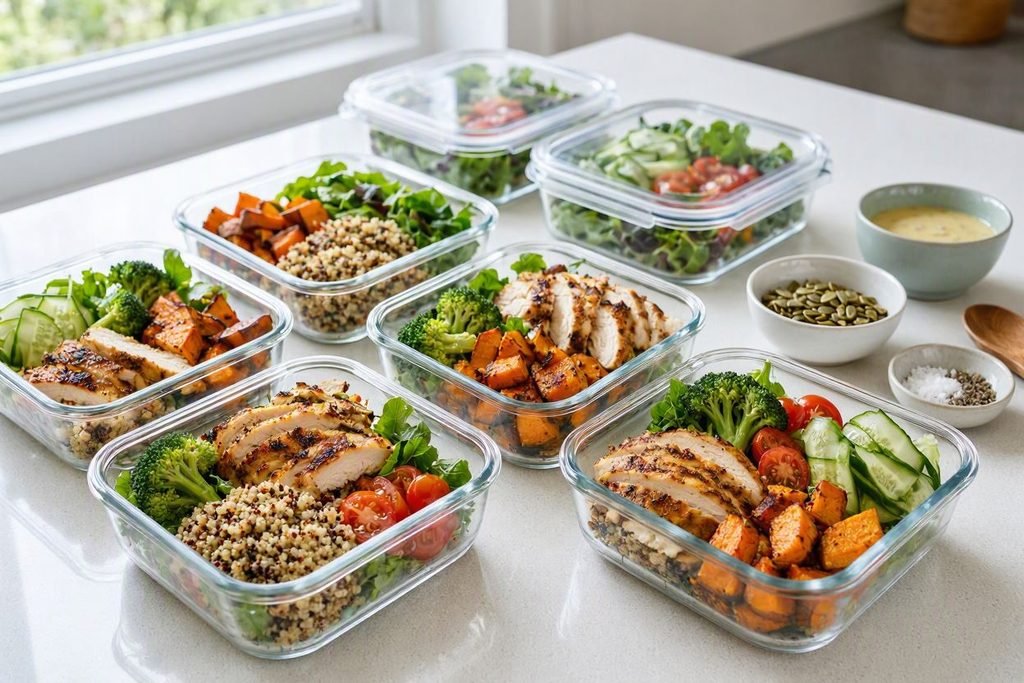
When I started meal prepping, I found it much easier to prepare 2–3 simple meals instead of making a different meal for every day. Using the same core ingredients in different combinations saved me time and money, made grocery shopping easier, and helped me stay consistent with my meal plan.
This simple approach can make the process feel much less overwhelming.
How Many Days Should You Meal Prep?
You do not have to prepare food for an entire week.
For beginners, preparing food for 2–4 days can be a practical starting point. This gives you enough prepared meals to save time while allowing you to change your meals later in the week.
If you do not plan to eat some portions within a few days, consider freezing them.
What Foods Are Good for Meal Prep?
For more meal ideas, explore our healthy recipes for simple options you can include in your meal prep routine.
The best foods for meal prep are usually ingredients that store well and can be used in different meals.
Protein Sources
Examples include:
- Chicken
- Turkey
- Lean beef
- Eggs
- Fish
- Greek yogurt
- Beans
- Lentils
Carbohydrate and Grain Options
You can use:
- Rice
- Sweet potatoes
- Oats
- Pasta
- Quinoa
- Whole-grain bread
Vegetables
Choose vegetables that you enjoy and that fit your meals, such as:
- Broccoli
- Carrots
- Peppers
- Green beans
- Spinach
- Cucumbers
Fruits
Fruits can be prepared as snacks or added to breakfast and other meals.
Examples include:
- Apples
- Bananas
- Berries
- Oranges
- Grapes
How to Make Meal Prep Less Boring
Eating the same meal repeatedly can become boring. You can use the same ingredients in different ways to create more variety.
For example, cooked chicken can become:
- A rice bowl
- A salad
- A wrap
- A sandwich
You can also change sauces, seasonings, vegetables, and side dishes without completely changing your grocery list.
This can make your weekly meal prep more practical and enjoyable.
Common Meal Prep Mistakes to Avoid
Preparing Too Much Food
You do not need to prepare all your meals for the week at once. Start with a few portions and gradually increase the amount as you become more comfortable with meal prepping.
Choosing Complicated Recipes
Complex recipes can make meal prep feel like a chore. Start with easy meal prep recipes that require fewer ingredients and simple cooking methods.
Ignoring Food Storage
Prepared food needs to be stored correctly. Use suitable containers and refrigerate perishable foods promptly.
Making Every Meal Different
You do not need seven completely different meals. Using the same core ingredients in different combinations can save time and money.
Not Planning Portions
Preparing food without considering how much you actually need can lead to food waste or meals that do not fit your routine.
A Simple Beginner Meal Prep Plan
Here is an example of a simple weekly meal prep routine:
Sunday
- Cook chicken
- Prepare rice
- Roast vegetables
- Prepare fruit portions
Monday
- Chicken, rice, and vegetables
Tuesday
- Chicken wrap with vegetables
Wednesday
- Chicken rice bowl with a different sauce
Thursday
- Prep for the week with fresh ingredients if needed
The goal is not to follow this exact plan but to create a routine that fits your schedule.
Meal Prep Tips for Beginners
If you want to learn how to start meal prepping without making it complicated, keep these tips in mind:
- Start with a few meals.
- Choose recipes you already enjoy.
- Make a grocery list before shopping.
- Batch cook ingredients.
- Use the same ingredients in different meals.
- Store food in appropriate containers.
- Keep your meal plan realistic.
- Adjust your routine based on what works for you.
A simple routine is often enough when you are first learning how to start meal prepping.
Is Meal Prepping Good for Weight Loss?
Meal prepping can support weight-management goals because it can make it easier to plan portions and meals in advance. It may also reduce the need to rely on unplanned takeout or convenience foods.
However, meal prepping itself does not automatically cause weight loss. Your overall calorie intake, food choices, physical activity, sleep, and other factors can affect weight changes.
If your goal is weight loss, focus on a sustainable eating pattern rather than trying to make every meal as low in calories as possible.
You can also explore our nutrition plans for more guidance on planning balanced meals.
How Long Does Meal Prep Last in the Fridge?
According to the USDA, refrigerated cooked meals are generally recommended to be consumed within 3–4 days..
If you prepare more food than you expect to eat within that period, freezing appropriate portions can help extend storage time.
Always follow food-safety guidance and use your judgment regarding food quality and storage conditions.
Frequently Asked Questions
How do I start meal prepping?
Start by deciding how many meals you need, choosing simple recipes, creating a grocery list, preparing your ingredients, portioning your meals, and storing them safely. If you are wondering how to start meal prepping, beginning with two or three days can make the process easier.
What should a beginner meal prep?
Beginners can start with simple meals containing a protein source, carbohydrate, vegetables, and other foods they enjoy. Chicken, rice, vegetables, eggs, potatoes, and Greek yogurt are practical options.
How many days can you meal prep for?
For beginners, preparing meals for 2–4 days can be a good starting point. According to USDA guidance, refrigerated cooked meals should generally be eaten within 3–4 days.
What foods are best for meal prep?
Foods that store well and can be used in different combinations are useful for meal prep. Examples include chicken, eggs, rice, potatoes, vegetables, oats, beans, and fruits.
Is meal prepping good for weight loss?
Meal prepping can make portion planning and consistent meals easier, but weight loss depends on your overall calorie intake and other lifestyle factors. Meal prepping alone does not guarantee weight loss.
How long does meal prep last in the fridge?
According to USDA guidance, refrigerated cooked meals should generally be consumed within 3–4 days. Store them properly and refrigerate perishable foods promptly.
Final Thoughts
Learning how to start meal prepping does not require a complicated system. Start small, choose meals you enjoy, prepare a few ingredients in advance, and create a routine that fits your schedule.
Once you understand how to start meal prepping, you can gradually adjust your meals, portions, recipes, and preparation schedule based on what works best for you.
The goal is to make healthy eating more convenient and sustainable—not to make meal preparation another source of stress.
Last updated: September 2026
About the Author
Written by: Maisam Salam
Maisam Salam is an SEO content writer and content specialist with experience creating clear, research-based content across health and wellness, technology, AI, SEO, and content marketing. She focuses on creating useful, reader-friendly content based on search intent, reliable sources, and practical information.
View my LinkedIn profile
Disclaimer
This article is for general informational purposes only and is not a substitute for professional medical or nutrition advice.